
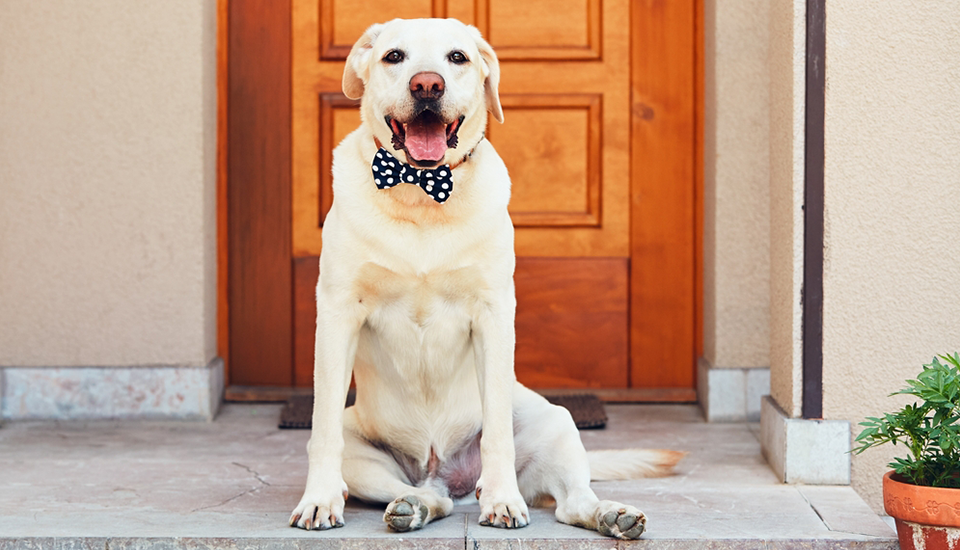


Buying a new home with a pet? When pet owners shop for a home, the four-legged members of the family often lead the search. From fenced-in yards and scratch-resistant floors to nearby green spaces, homebuyers with pets prioritize a specific set of features. Surveys show that for this growing segment of buyers, finding a property that checks these boxes isn’t a preference. It’s a requirement.
A Realtor.com survey of first-time buyers, repeat buyers, and sellers confirmed this. Across the board, respondents browsed homes through a pet-first perspective, ranging from dogs to cats to reptiles, and sought out must-haves like secure outdoor space, durable interiors, and pet-friendly communities. Buyers were even willing to pay more for the right features.
In the U.S., 95 million households own a pet. Americans are expected to spend $165 billion on pets this year, underscoring just how central pets are to daily life and major decisions.
House hunting with a pet? 7 tips to find the right fit
Pet owners shop for homes differently. Knowing what to look for can save you time, money, and a move you’ll regret.
1. Write your pet’s wish list
Before you scroll listings, put a pen to paper (or tablet) and list out what a dream home for your pet might look like. Popular features may include a fenced yard, durable flooring, a single-story layout for an aging dog, more square footage for multiple pets and habitats, proximity to parks, and safe outdoor access for a cat, like a screened porch or catio.
Rank your top three non-negotiables and share them with your real estate agent. It sounds simple, but many buyers skip this step and end up compromising on features that matter more than they expected.
Finance a home that your furry family members will love. Connect with a loan officer to explore your options.
2. Inspect the fencing first
A fence tells you whether a home is pet-ready or not right away. Check the height, condition, and whether there are any gaps at the base. If you have a breed known for escaping, bring a critical eye and a measuring tape. A privacy fence with a secure latch is worth more than a decorative one. Adding or replacing fencing after closing can run anywhere from a few hundred to several thousand dollars, depending on the yard size.
3. Evaluate flooring like a pet owner
Carpet hides stains until it doesn’t. Look for waterproof laminate, tile, or luxury vinyl plank, which are scratch-resistant, stain-resistant, and easy to clean. If a home you love has wall-to-wall carpet, factor replacement costs into your offer. Hardwood can work too, but softer woods like pine scratch easily and may not hold up with larger breeds over time.
4. Research HOA rules before you fall in love
Some homeowners associations have strict restrictions on pet types, breeds, sizes, and even the number of animals allowed per household. This applies to cats too, which are sometimes subject to indoor-only rules or quantity limits. Ask your agent to pull HOA documents early so you can review all pet-related policies before you get emotionally invested.
It’s also worth reviewing your homeowners insurance at this stage. Some providers have breed restrictions or liability exclusions that could affect your coverage. One of our insurance agents can help you find a pet-friendly policy.
5. Pay attention to the layout of the home
The flow of a home matters more than most buyers realize. Where does the crate go? Is there a mudroom or entry area to clean up in after a rainy walk? For cats, consider ceiling height, built-in shelving, and quiet corners where a more introverted animal can decompress.
For reptiles, fish, and small animals, the question is less about layout and more about environment. Where will the tank or enclosure live? Is there a stable surface, reliable temperature control, and easy access to water and outlets? These setups often become permanent fixtures, so it’s worth mentally placing them in a home before you commit.
6. Scout out the neighborhood
Walk the surrounding area before making an offer on a house. Note nearby parks, trail access, and traffic patterns, including busy streets. Look for sidewalks, crosswalks, and green space within a reasonable distance. For dog owners especially, walkability and access can make or break a living situation.
7. Scope out the neighbors
Along with walking the block, make sure to visit at different times of day. Are there off-leash dogs, heavy foot traffic, or barking dogs sharing a fence? For cat owners considering outdoor access, take stock of any wildlife, stray animals, or hazards nearby. Let your pet’s personality guide the search as much as your own preferences.
We make mortgage fast, friendly, and easy
And we’re 100% committed to closing on time. Contact a local loan officer to see how simple homebuying can be.
Sources deemed reliable but not guaranteed. For educational purposes only.
You’re receiving this resource from your loan officer, who operates within the lending division of Cornerstone Capital Bank, a full-service financing institution.
Cornerstone Capital Bank is the parent organization that brings together multiple affiliated lending teams, providing shared resources, solutions, and long‑term support to help clients make confident financial decisions now and in the future.