
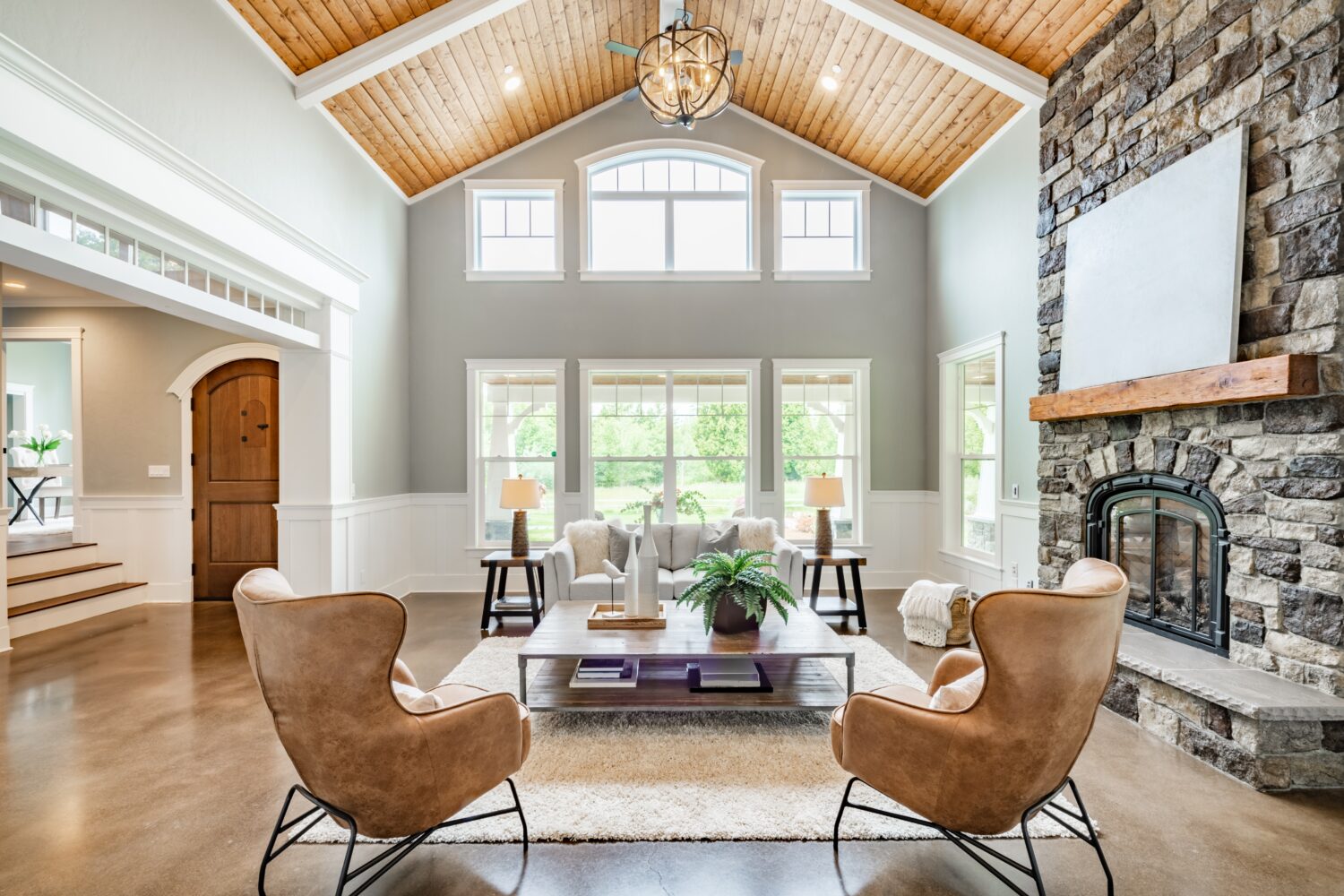


New construction homes are making a comeback. The latest numbers show that newly built properties made up 16% of all home purchases, the largest share of new construction sales recorded in nearly 20 years. Benefits like fewer repairs, energy efficiency, builder incentives, and price cuts are all contributing to the shift.
For many buyers, it comes down to value. When existing homes need work or are priced too high, a new build with incentives and warranty protections starts to look like the smarter move.
Less stress, more house: 7 advantages of new construction
Here’s what’s driving homebuyers to choose new over existing:
1. Modern energy efficiency
New build homes are constructed to current energy codes, which are significantly more stringent than standards from even 10 years ago. Better insulation, high-efficiency windows, and updated HVAC systems can translate into meaningfully lower utility bills month over month.
2. Builder incentives and buydowns
In the current rate environment, many builders are offering mortgage rate buydowns (sometimes permanently reducing your interest rate by 1 or more percentage points) as part of the deal. These incentives can make a new build more financially competitive than the sticker price suggests.
Up to 67% of home builders* are currently offering sales incentives, the highest number recorded since the pandemic. This indicates builders are willing to work with today’s buyers. Compared to existing home sales where sellers may be less flexible, new construction incentives are usually part of the process.
3. Potential price cuts
Beyond incentives, some builders are cutting prices outright. Nearly four in 10 builders have reduced prices to attract homebuyers, another sign that there’s room to negotiate. For buyers willing to ask, the savings can be significant, considering that roughly half of new build homes are currently priced between $300,000 and $500,000.*
Ready to see what you can afford in a new build? Let’s talk numbers.
4. Lower maintenance costs
With a new construction home, you’re not inheriting someone else’s 15-year-old HVAC or a roof that needs replacing. Major systems, like plumbing, heating, electrical, and roofing, are brand-new and functioning optimally, resulting in far fewer surprise repair bills in your first few years.
5. Stronger warranty protections
New construction may come with a builder’s warranty that covers workmanship and materials in the first year; major systems like HVAC, plumbing, and electrical in the second year; and structural defects for up to 10 years. This provides peace of mind, though it’s important to read the fine print. Builders may have specific definitions of what qualifies as a structural defect.
While a builder warranty covers the “shell” of a home, new appliances (like a fridge, stove, and dishwasher) also typically carry their own manufacturer warranties. This creates a financial safety net that existing homes simply can’t match, covering the repairs that tend to cost the most.
6. Customization options
Depending on where a home is in the construction timeline, buyers often have the opportunity to select finishes, fixtures, flooring, and layouts that match their preferences. This isn’t possible with an existing home unless you’re planning for a full renovation. With a new build, you can move into a home that already reflects your taste, without making any updates.
7. No bidding war on a dated kitchen
In competitive markets, existing homes can attract multiple offers, often above asking price, and buyers may still need to budget for upgrades after closing. New construction sidesteps this completely. You may get modern finishes, open floor plans, smart home technology, energy-efficient appliances, and USB outlets throughout, all without the stress of a bidding war.
And because newer materials and modern construction standards are considered less risky, a new build may come with a lower home insurance premium.
Interested in new construction? The next steps to take
If you’re considering new construction, here’s how to move forward with confidence:
- Scout developments early. New communities often sell quickly, and getting in right away gives you the best shot at lot selection and builder incentives.
- Bring your own agent. The builder’s sales team works for the builder; having your own representation, starting from your first visit, ensures someone is in your corner.
- Look at the full picture. HOA fees, community assessments, and lot premiums can add up. Make sure you’re comparing apples to apples against existing homes.
- Talk to your loan officer. Your loan officer may have partnerships with local builders and can help you get the most out of any rate buydown or incentive offered.
The data is clear: New build homes deserve attention. With builders actively cutting prices and offering incentives, there may not be a better time to explore new construction.
Your home is closer than you think
Whether you’re eyeing a new build, dreaming of more space, or ready to relocate, our skilled loan officers specialize in helping homebuyers navigate every option. Reach out to discuss what’s possible.
Sources deemed reliable but not guaranteed. For educational purposes only.